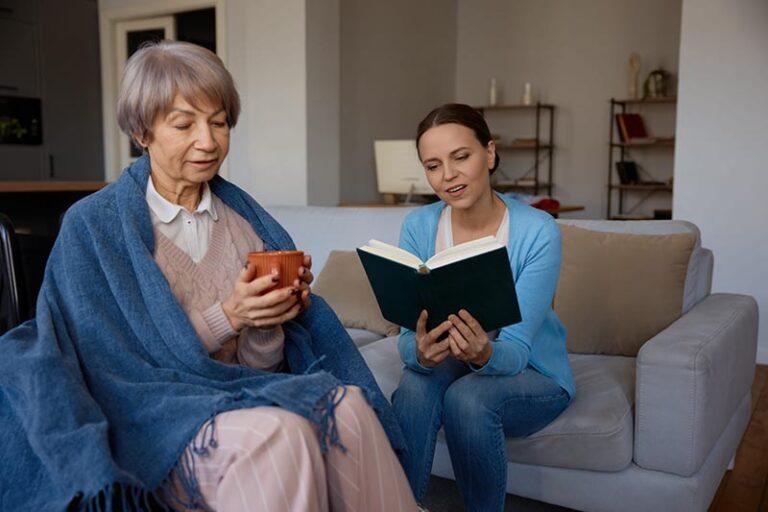

Creating a safe environment is the cornerstone of effective elder care. As mobility and vision naturally change with age, a home that once felt familiar can quickly become a source of hidden hazards. For caregivers, staying proactive with a few essential senior citizen safety tips can significantly reduce the risk of accidents and help their loved ones maintain independence for longer.

Prioritize Fall Prevention
Falls are the leading cause of injury among seniors, making them the top priority for senior citizen safety tips. Start by clearing high-traffic walkways of clutter, such as loose shoes, magazines, or delivery boxes. Throw rugs—while decorative—are notorious tripping hazards; it is often best to remove them entirely or secure them firmly with non-slip rug tape. Additionally, ensure that furniture is arranged to create wide, unobstructed paths for those using walkers or canes.
Creating a safe environment is the cornerstone of effective elder care. As mobility and vision naturally change with age, a home that once felt familiar can quickly become a source of hidden hazards. For caregivers, staying proactive with a few essential senior citizen safety tips can significantly reduce the risk of accidents and help their loved ones maintain independence for longer.

Brighten the Environment
Poor visibility often leads to missteps. Caregivers should ensure that every room, hallway, and staircase is well-lit. Replacing standard bulbs with brighter, energy-efficient LEDs can make a world of difference. For nighttime safety, motion-activated nightlights in the bedroom, hallway, and bathroom are invaluable, providing a clear path for midnight trips without the senior having to fumble for a switch in the dark.

Modify the Bathroom
The bathroom is frequently the most dangerous room in the house due to slippery surfaces. Installing professional-grade grab bars near the toilet and inside the shower provides necessary stability. Key to elder care: using a raised toilet seat and a sturdy shower chair can also reduce the physical strain of sitting and standing. Finally, ensure all bath mats have a strong rubber backing to prevent them from sliding on wet tile.

Manage Medications and Technology
Medication errors can lead to dizziness and further safety risks. Caregivers can help by using a weekly pill organizer or an automated dispenser to ensure doses are taken correctly. Beyond physical changes, technology can offer a safety net: wearable medical alert systems enable seniors to call for help instantly if they fall.

Enhance Fire and Kitchen Safety
Avoiding step stools is a basic safety tip for seniors. In the kitchen, move frequently used items to waist-height shelves to avoid reaching and using step stools. Check that the home’s smoke and carbon monoxide detectors are functional and that the water heater is set to 120°F (48°C) or lower to prevent accidental scalding.
By addressing these key areas for elder care, caregivers can transform a home into a secure haven, providing themselves with peace of mind and a better quality of life for the seniors they love.
🏠 Senior Citizen Safety Tips Checklist
This room-by-room safety checklist helps you identify and fix common hazards quickly. You can print this out and walk through the home, checking off each item as you complete it.
Living Areas & Hallways
- [ ] Clear the Path: Remove all clutter, power cords, and low furniture from walking paths.
- [ ] Rug Check: Remove all throw rugs or secure them with heavy-duty non-slip tape.
- [ ] Lighting: Ensure all hallways and entryways have bright, functioning bulbs.
- [ ] Stairs: Confirm that handrails on both sides of the stairs are sturdy and secure.
The Bathroom
- [ ] Grab Bars: Install permanent grab bars in the shower and next to the toilet (do not use towel racks for balance).
- [ ] Non-Slip Surfaces: Place a non-slip rubber mat or adhesive strips on the tub/shower floor.
- [ ] Seating: Provide a sturdy shower chair and a raised toilet seat if sitting/standing is difficult.
- [ ] Water Temp: Set the water heater to 120°F to prevent accidental scalding.
The Kitchen
- [ ] Reachability: Move heavy pots, pans, and daily dishes to counter-height shelves.
- [ ] Auto-Shutoff: Consider installing an automatic shutoff device for the stove.
- [ ] Lighting: Install under-cabinet lighting to brighten food preparation areas.
- [ ] Fire Safety: Ensure a fire extinguisher is easily accessible and not expired.
The Bedroom
- [ ] Nightlights: Use motion-activated nightlights between the bed and the bathroom.
- [ ] Phone Access: Keep a phone or a medical alert button within reach of the bed.
- [ ] Bed Height: Ensure the bed is at a height where the senior’s feet touch the floor when sitting on the edge.
General Maintenance
- [ ] Detectors: Test smoke and carbon monoxide detectors; replace batteries if it’s been over 6 months.
- [ ] Emergency Contacts: Post a list of emergency numbers and current medications on the refrigerator.
- [ ] Footwear: Ensure the senior has supportive, non-slip indoor shoes rather than walking in socks or loose slippers.