
Embracing the Golden Years: A Holistic Approach to Elderly Care
As our population ages, the concept of “elderly care” has matured beyond basic physical assistance. Quality care encompasses a holistic approach, recognizing that true well-being in later life involves not only maintaining physical health but also nurturing emotional, spiritual, and social needs. The desire to age in place, within the familiar comfort of their own homes, is the most comfortable solution. This aspiration is increasingly supported by home care companies that address personal needs, provide companionship, and even integrate spiritual and community engagement to enrich their quality of life.
At its core, quality elderly care strives to empower seniors to live with dignity, independence, and purpose. This begins with ensuring their fundamental needs are met. Finding a resource for this care often determines whether an elder can remain safely and comfortably in their residence. The “purpose” factor is harder to ensure when the person feels totally dependent. Adding in emotional, spiritual and community support is key to quality of life.
The daily rhythm of life can become challenging for seniors facing mobility issues, cognitive decline, or chronic health conditions. Personal care services provided in the home bridge this gap, offering discreet and respectful assistance with essential activities of daily living (ADLs):

The Pillars of Home Care Personal Services:
- Meal Preparation and Nutrition: Proper nutrition is vital for senior health, yet preparing balanced meals can be physically taxing or mentally overwhelming. Home care providers can plan and cook nutritious meals tailored to dietary restrictions and preferences, ensuring seniors receive the sustenance they need. This not only promotes physical health but also removes a significant source of daily stress.
- Dressing and Grooming: Maintaining personal hygiene and appearance contributes significantly to self-esteem and confidence. Caregivers can assist with dressing, ensuring comfort and appropriateness, and help with grooming tasks such as hair care, shaving, and oral hygiene. This support allows seniors to feel presentable and confident, reinforcing their sense of self.
- Bathing and Personal Hygiene: Bathing can be a high-risk activity for seniors due to slippery surfaces and mobility challenges. Trained caregivers provide respectful and safe assistance with bathing, showering, and other personal hygiene needs, minimizing the risk of falls. This fundamental support is critical for both physical comfort and preventing skin issues.
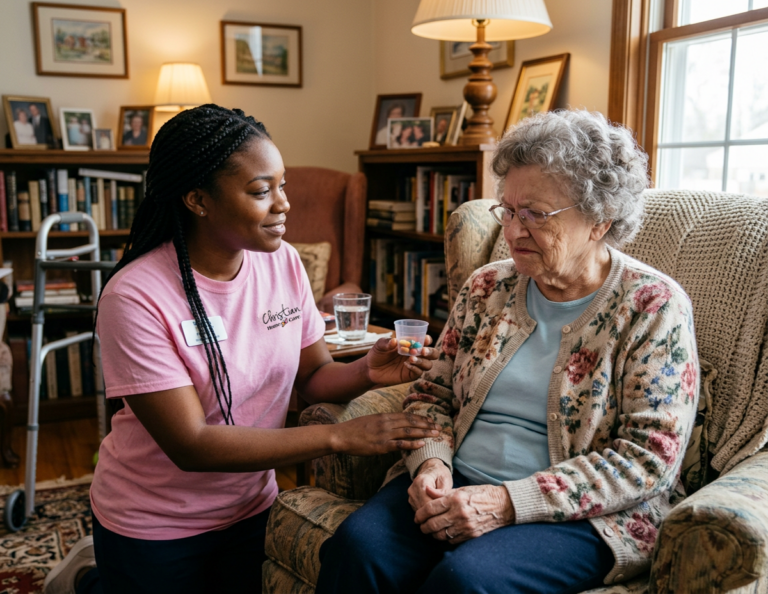
- Medication Reminders: Adhering to medication schedules is crucial for managing health conditions. While not administering medication, caregivers can provide timely reminders, ensuring seniors take their prescribed medications correctly and consistently, which contributes to better health outcomes.
- Light Housekeeping and Errands: A tidy and organized living space contributes to mental well-being and safety. Caregivers can assist with light housekeeping tasks, such as tidying up, laundry, and changing bedding. They can also run errands, such as grocery shopping or picking up prescriptions, alleviating the burden on seniors and their families.
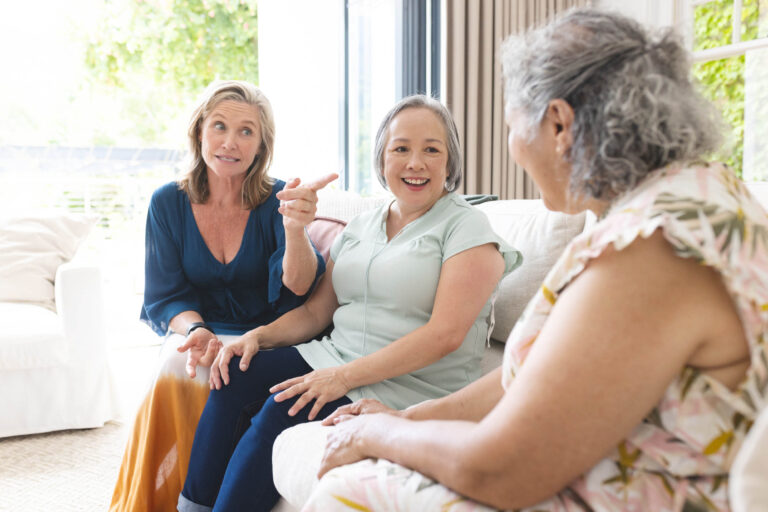
- Companionship: Beyond the practical, companionship is an invaluable aspect of home care. Many seniors experience loneliness and isolation, which can significantly impact their mental health. Caregivers provide a friendly presence, engaging in conversation, playing games, reading aloud, or simply being there to listen. This social interaction is a powerful antidote to loneliness, fostering emotional well-being and a sense of connection.

Nourishing the Spirit: Daily Devotionals and Bible Reading
For many seniors, spirituality and faith are deeply ingrained aspects of their lives, providing comfort, meaning, and hope. Incorporating spiritual practices into elderly care can profoundly enhance quality of life.
- Daily Devotionals: Engaging with daily devotionals offers a structured way to connect with spiritual teachings and reflections. These short, uplifting readings can provide moments of peace, inspiration, and contemplation. Caregivers, respecting individual beliefs, can facilitate access to devotional materials, read aloud, or simply create a quiet space for personal reflection. This practice can foster a sense of gratitude, and reduce anxiety.
- Bible Reading: For those who find solace and guidance in the Bible, regular reading can be a profound source of spiritual nourishment. Caregivers can assist with holding the Bible, turning pages, or reading specific passages that bring comfort or insight. Engaging with scripture can provide a sense of continuity, remind seniors of their faith’s promises, and offer a foundation of strength in facing life’s challenges. The quiet moments spent in scripture can be deeply therapeutic, connecting seniors to a larger spiritual narrative.

Fostering Connection: Attending Community Events
Social engagement is a critical determinant of well-being across all age groups, and seniors are no exception. Isolation can lead to depression, cognitive decline, and a diminished sense of purpose. Actively encouraging and facilitating participation in community events is a powerful way to combat these issues and enrich the lives of elders.
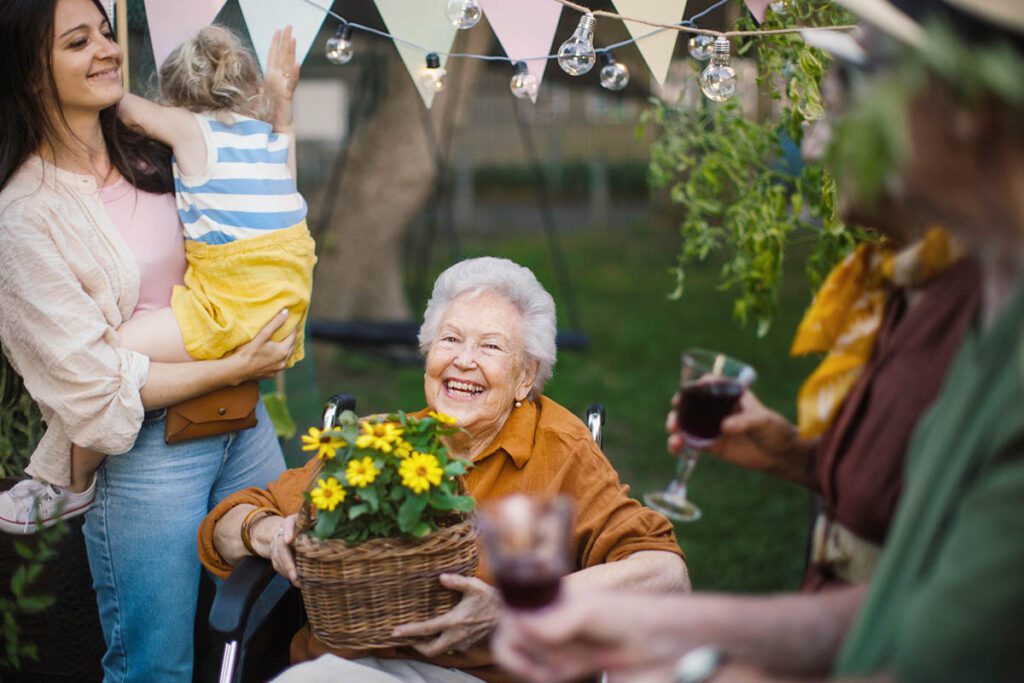
- Combating Isolation and Loneliness: Community events provide seniors with opportunities to interact with peers, make new friends, and foster existing relationships. These interactions combat feelings of isolation and loneliness, fostering a sense of belonging and connectedness. In some cases, caregivers can transport the elder to the events.
- Mental Stimulation: Engaging in social activities and new experiences stimulates the brain, helping to maintain cognitive function and potentially delaying cognitive decline. Discussions, games, and learning new things at community events keep minds active and engaged.
- Physical Activity: Many community events incorporate light physical activity, such as gentle exercise classes, walking groups, or even dancing. These activities promote mobility, balance, and overall physical health, which are crucial for maintaining independence.
- Sense of Purpose and Contribution: Participating in community events, whether as an attendee or a volunteer, can give seniors a renewed sense of purpose. Contributing to their community, sharing their wisdom, or simply being a part of something larger than themselves can be incredibly fulfilling.
- Access to Resources and Information: Community centers and events often serve as hubs for information about senior-specific resources, health screenings, and support groups, connecting elders to valuable services they might otherwise miss.
- Examples of Community Engagement: This could involve attending senior center activities (e.g., bingo, craft groups, exercise classes), visiting local libraries for book clubs or lectures, participating in faith-based social gatherings, enjoying community concerts or festivals, or even engaging in intergenerational programs that connect them with younger individuals. Home care providers can offer transportation and accompaniment to these events, making participation feasible and enjoyable.
In conclusion, “elderly care” in its most meaningful form is a compassionate and comprehensive endeavor. By integrating essential home care personal services with opportunities for spiritual enrichment through daily devotionals and Bible reading, and fostering vibrant social connections through community event participation, we can significantly enhance the quality of life for our seniors. This holistic approach ensures that their golden years are not just about managing decline, but about thriving with dignity, purpose, and joy within the comfort of their own homes and communities.