In 2026, the gold standard for senior care has evolved beyond the clinical medical chart. While a diagnosis provides a necessary roadmap for physical health, it is the individual’s life story that defines the destination. This shift toward “narrative care mapping” ensures that every home caregiver sees a human being with a rich legacy, not just a set of symptoms.
The Power of Narrative Care Mapping
Narrative care mapping is a holistic approach that prioritizes a client’s history, faith, and passions alongside their medical needs. Instead of merely managing a medication schedule, a modern home caregiver works within a strength-based plan. This framework might highlight a client’s decades-long devotion to their faith community, their past professional achievements, or their love for specific hobbies. By centering care on these personal anchors, we address emotional and spiritual needs that a prescription cannot reach.
Strength-Based Plans in Action
This methodology acknowledges that true wellbeing is multifaceted. When a home caregiver understands that a client values daily prayer as much as physical therapy, or that a specific style of music reduces their anxiety, the quality of care skyrockets. Strength-based plans focus on what a senior can do and what they love, rather than just their physical limitations. Components of the plan may include:
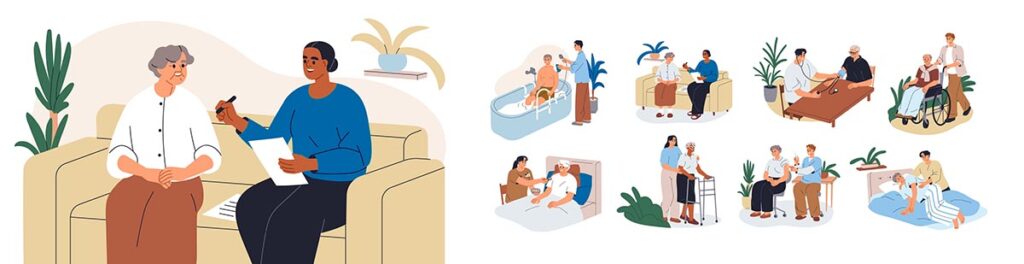
Here are some of the main factors to consider when creating a care management plan for seniors:
- Medical Care: Managing medications, scheduling doctor visits, and monitoring health conditions.
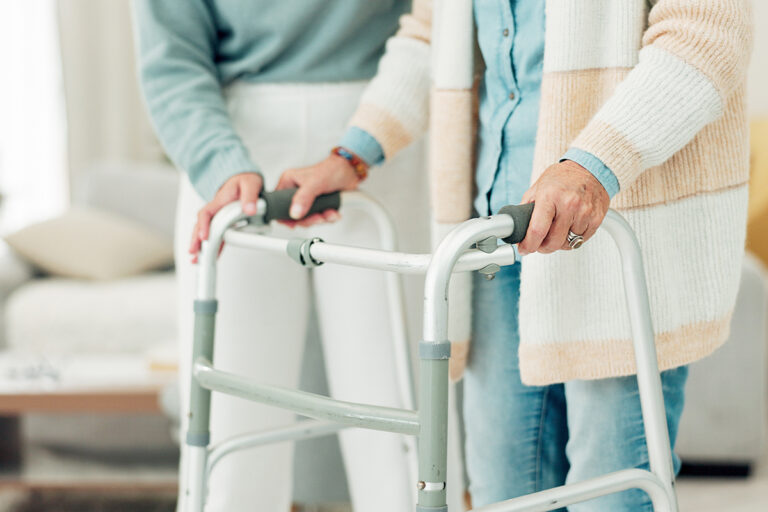
- Personal Care: Assistance with activities of daily living (ADLs), such as bathing, dressing, eating, and mobility.
- Safety Measures: Modifications in the home to prevent accidents, such as fall prevention.
- Nutrition: Balanced meals that meet dietary needs and restrictions.
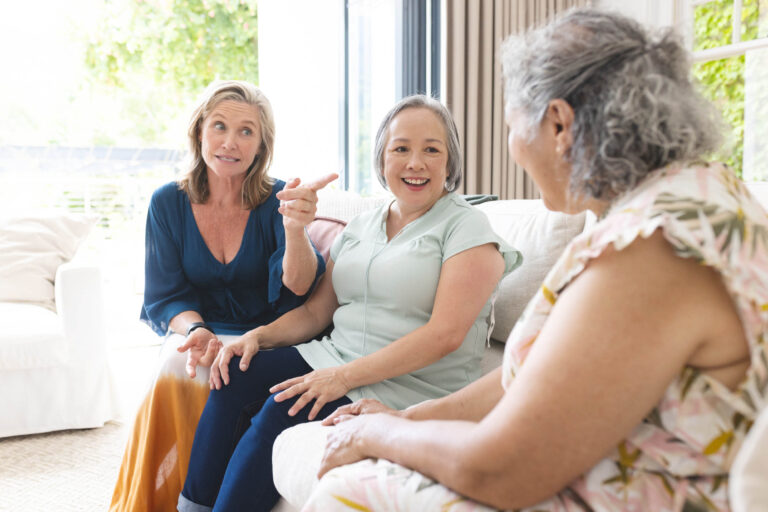
- Social and Emotional Support: Social interaction, hobbies, prayer and mental health care.
- Financial and Legal Concerns: Planning for long-term care costs, estate planning, and legal directives.
- Living Arrangements: Choosing at home, assisted living, or a nursing facility, which may change over time
The Essential Role of the Home Caregiver
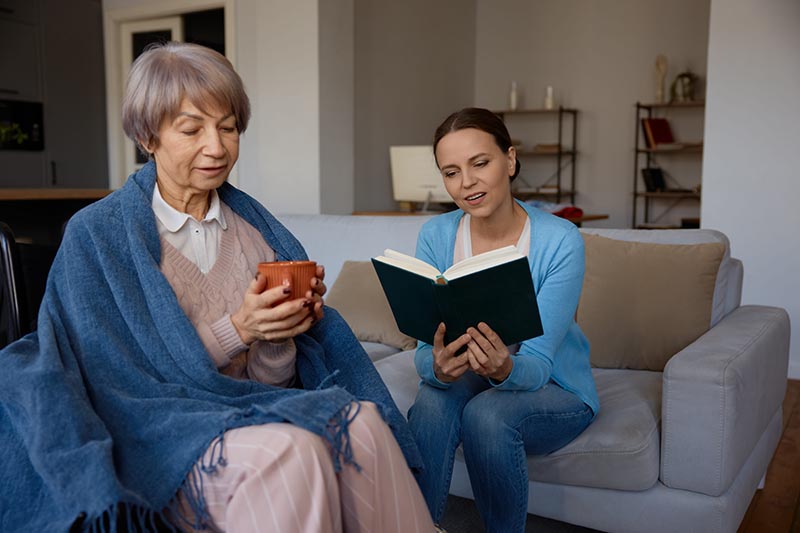
The success of this approach relies entirely on the relationships built by the senior caregivers. As the primary point of contact, the caregiver acts as a bridge between the clinical requirements and the client’s personal reality. By observing small nuances—such as a client’s preference for a specific morning routine or their enthusiasm when discussing family history—the caregiver can adjust the care environment in real time. This active engagement doesn’t just benefit the senior; it provides the home caregiver with a deeper sense of purpose, reducing professional burnout through more meaningful, person-centered connections.
Dignity in the Details
As we move through 2026, the industry increasingly recognizes that dignity is found in the details. Integrating personal narratives into daily routines doesn’t just improve health outcomes; it honors the personhood of our elders. By starting with a story, we ensure that the care provided is as unique as the life it supports. For those seeking the best for their loved ones, finding a home caregiver who values this whole-person approach is the most vital step in modern aging.