
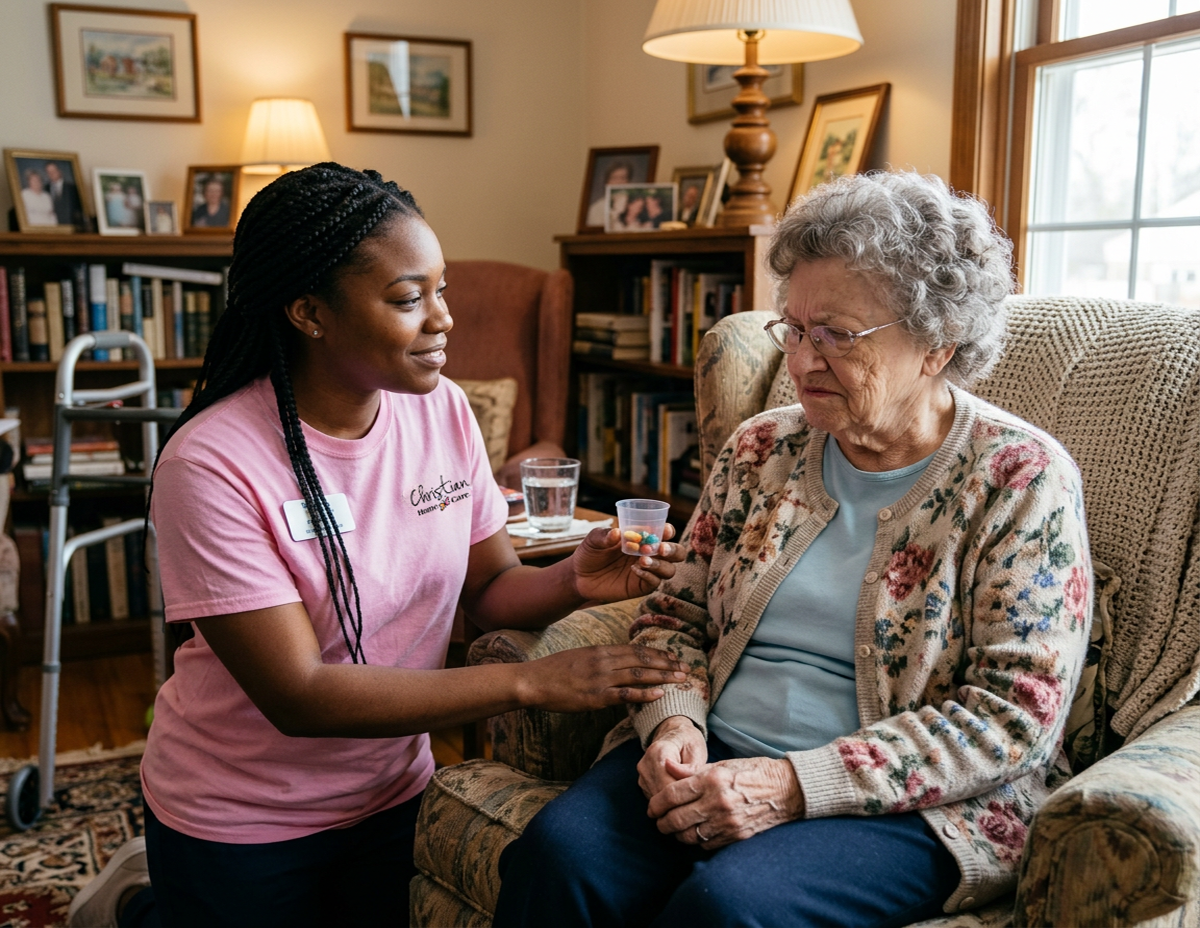
Providing effective elderly home care requires creative, empathetic strategies that go beyond basic medical tasks. Every dedicated home caregiver knows that daily challenges—like medication refusal or dementia-related confusion—require patience, tactical communication, and human connection from the caregiver. Here are actionable, proven techniques directly from experienced care providers.
1. Overcoming Resistance to Medication

When an aging loved one refuses pills, forced compliance almost always triggers anger. Experienced home caregivers suggest shifting the focus away from a battle of wills:
- Defer to Authority: Point to a written prescription or say, “Dr. Smith asked us to take this right before breakfast so you feel good today.” Relieving yourself of the “boss” role reduces friction.
- Offer Tactile Alternatives: Ask a pharmacist if pills can be crushed into applesauce, mixed with yogurt, or swapped for a liquid formula.
- The “Pause and Pivot”: If met with a firm “no,” walk away for 10 minutes. Return with a warm smile and a glass of water as if the initial conversation never happened.
This video demonstrates practical techniques for managing medication refusal in individuals with dementia, reinforcing the strategy of remaining calm and trying again after a short pause.
2. Encouraging Cooperation Without Conflict
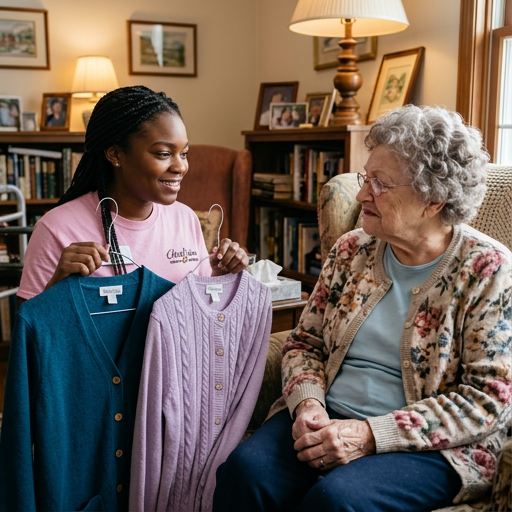
Loss of independence often drives resistance. To foster cooperation, give back a sense of control:
- Controlled Choices: Instead of asking open-ended questions like “What do you want to wear?”, offer two clear options: “Would you like the navy cardigan or the green one today?”
- Body Language Alignment: Sit down at eye level rather than standing over them. Lower your voice pitch and speak slowly. A relaxed posture signals safety and invites collaboration.
3. Navigating Dementia Confusion
Correcting or debating someone experiencing memory loss often induces anxiety and distress. Professional aides rely on validation and redirection:
- Join Their Reality: If someone believes they need to catch a bus for a job they retired from decades ago, acknowledge the underlying emotion: “You’ve always worked so hard! The bus doesn’t arrive for a bit, so let’s have a cup of tea while we wait.”
- Simplify Instructions: Break tasks into single, bite-sized steps. Saying “Please sit here” works far better than giving a long sequence of directions.
A successful home caregiver treats communication as an evolving art. By honoring dignity and adapting to the emotional needs of the moment, providing elderly home care becomes a collaborative, deeply fulfilling process.