
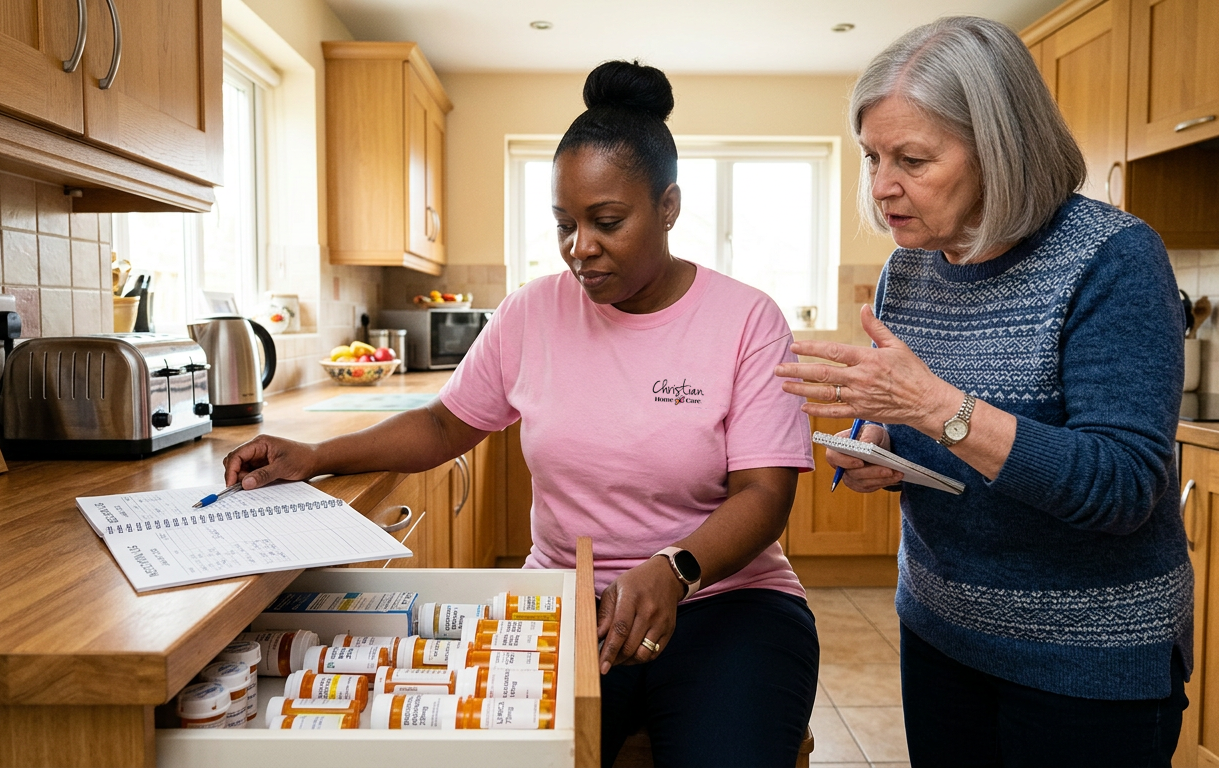
Welcoming a non-medical home care aide into a loved one’s life is a wonderful step toward maintaining their independence. However, transitioning to professional care can feel like a major adjustment for everyone involved. To ensure a smooth start and build a strong, trusting relationship, families can take a few intentional steps to set up their home care assistance for absolute success.
Prepare the Environment for Home Care Assistance
A successful caregiving relationship starts with a safe, organized environment. Before the aide’s first day, take a walk through the home to clear potential hazards and gather essential supplies.
- Create a Central Care Station: Dedicate a specific drawer or counter space for the aide. Stock it with daily logs, emergency contact numbers, a list of current medications, and any specialized items like gloves or gait belts.
- Clear the Paths: Ensure hallways and high-traffic areas are free of clutter or loose rugs to prevent falls—protecting both your loved one and the aide.
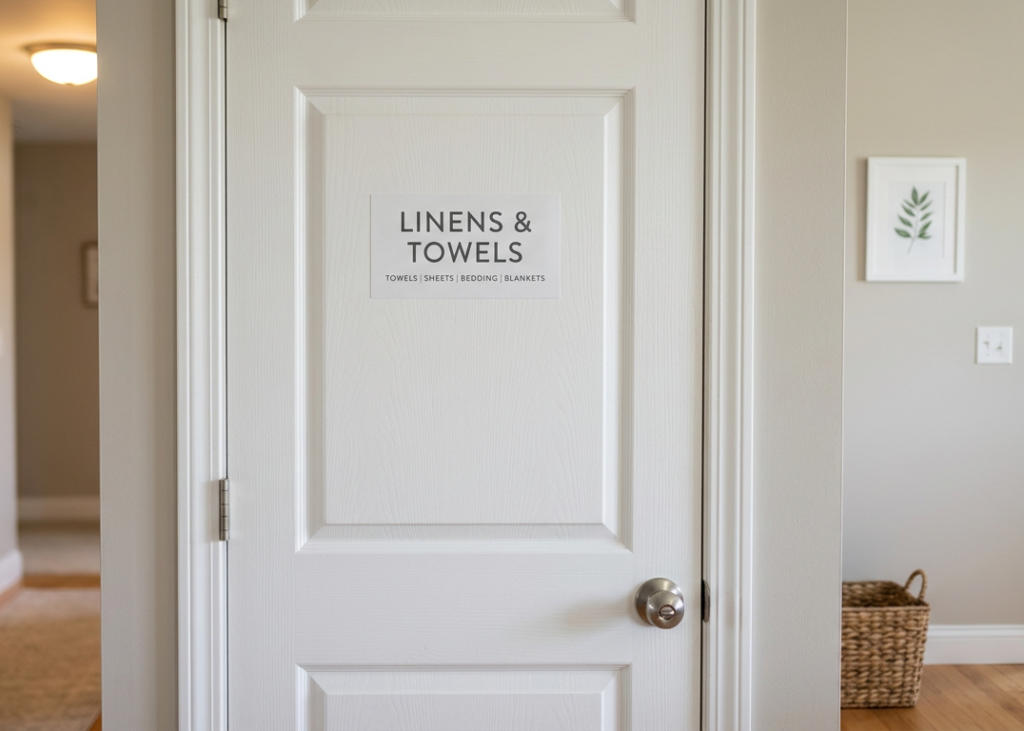
- Label and Organize: Gently label where extra linens, towels, and basic cleaning supplies are kept so the aide doesn’t have to hunt through closets.
Communicate the Senior’s Preferences
While an agency will provide a care plan, the magic of great home care assistance lies in the details. Non-medical aides are there to support daily living, which means understanding your loved one’s personal preferences is incredibly valuable.
Take the time to write down a cheat sheet of their favorite things. What time do they actually like to wake up? How do they prefer their morning coffee? Are there specific topics of conversation, music, or old movies that bring them comfort? Equally important: note any triggers, phrases, or situations that cause them anxiety. Passing along these insights helps an aide transition from a helper to a trusted companion much faster.
Establish Clear Boundaries and Trust
Treating your home care aide as a professional partner is the fastest way to build mutual respect.
- Define the Scope: Remember that non-medical home care assistance provides companionship, light housekeeping, meal preparation, and personal care. Avoid asking your aides to perform medical tasks (like administering injections) or heavy household chores that fall outside their agency agreement.
- Encourage Open Communication: Give the aide permission to be honest with you. Set up a brief, weekly check-in to discuss how things are going, any changes in your loved one’s behavior, or adjustments needed in the routine.
By taking the time to organize the home, share personal nuances, and foster open communication, you create an environment where the caregiver feels supported—which ultimately ensures your loved one receives the highest quality of compassionate care, which is what Christian Home Care assistance is all about.